
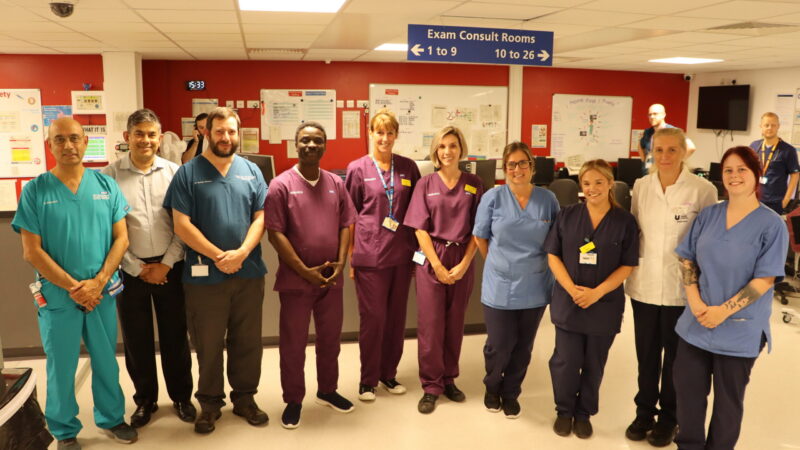
A research study in Teesside is set to improve care for patients coming to hospital with stomach pains – becoming the first centre in the UK to run a urine test study.
Patients with abdominal pain attending the urgent and emergency care department at the University Hospital of North Tees will be offered the chance to be a part of the study.
The serum amylase versus urinary trypsinogen in the diagnosis of acute pancreatitis (AUTOPANC) study is looking at timely diagnosis of pancreatitis.
This is a sudden inflammation of the pancreas caused by digestive enzymes prematurely activating inside the organ.
The National Institute for Health Research study is funded from a research grant by the GUTs UK charity.
Professor Vikramjit Mitra, consultant gastroenterologist and chief investigator for the study, said “Acute pancreatitis is a common cause of acute upper abdominal pain.
“Timely diagnosis of acute pancreatitis remains a challenge. Early diagnosis leads to early initiation of treatment with better patient outcomes.
“The majority of NHS hospitals undertake amylase blood tests at hospital presentation to exclude acute pancreatitis.
“Sensitivity of this test is low and results can take some time to come back before diagnosing the condition and commencing patients on treatment.”
Urine test is cheap and fast

Professor Mitra continued: “Trypsinogen‑2 is a pancreatic enzyme that is elevated in the urine of patients with acute pancreatitis.
“Urine trypsinogen test is a cheap, rapid with results available within five minutes), non-invasive, easy to do use bedside test similar to urine pregnancy test.
“This test is currently not available in the UK. If this test could reliably rule out acute pancreatitis with a high level of confidence and support earlier decision-making for patients, this could be potentially rolled out across other centres in the UK.”
First centre in country
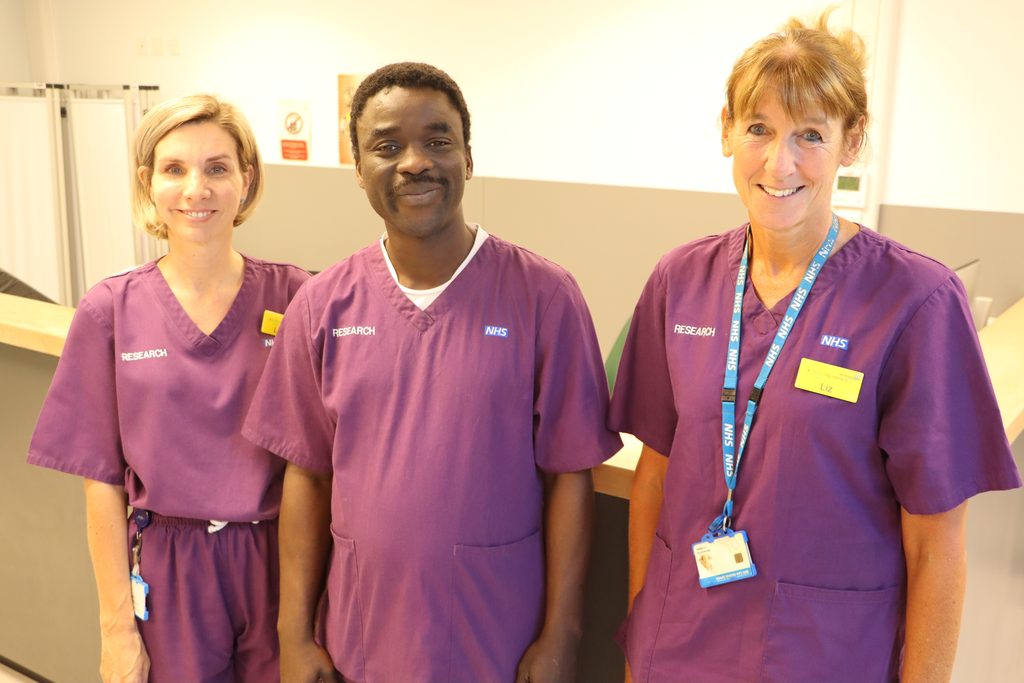
Laura O’Rourke, trauma, injuries and emergency medicine lead research nurse, said: “As the first centre in the UK, we are very fortunate to run this trial in our ED department.
“It’s easy to carry out this test and has almost no processing costs associated with results being immediately available.
“The study aims to recruit 600 patients. We have recruited the first 100 patients in this study.
“The team have already played a key role in identifying eligible patients, conducting the test and supporting the research process.”
George Simpson, emergency department consultant the department’s research lead, said: “Thanks to the dedication and commitment of our team in the emergency department that we have been to deliver this research study and are able to offer this test to our patients as part of the trial.
“Our involvement in the study across the emergency department highlights the important contribution research can make in advancing medical knowledge and shaping the future of healthcare.”