
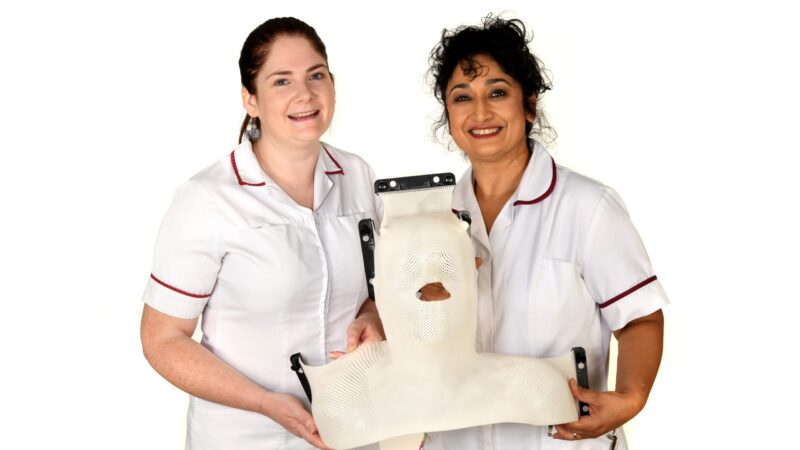
Therapeutic radiographers are the only allied health professions trained to plan and deliver radiotherapy to cancer patients.
Therapeutic radiographers are trained in using multiple imaging modalities, radiotherapy planning and the delivery of treatment using high dose x-rays.
Therapeutic radiographers use their skills to match the treatment plan to the patient’s anatomy, this is critical to treat the tumour and destroy the diseased tissue, while minimising the amount of exposure to surrounding healthy tissue.
Therapeutic radiographers are also trained to manage radiotherapy side effects during and after radiotherapy treatment making sure the patient has the best care throughout their journey.
Hazel, superintendent therapeutic radiographer
Why did you want to be a therapeutic radiographer?
I always wanted to work in health care from a young age, watching my mum progress in her career as a neonatal nurse.
I did some research around health care roles and discovered radiotherapy.
I came to James Cook to do some work experience and decided that it was the career for me. I started my role in 2008 and still love my job 15 years later!”
Day-to-day tasks?
No one day is ever the same and you meet so many people each day! I work within the pre-treatment area of radiotherapy so most days are meeting new patients for the first time, discussing what will happen and putting them at ease.
We use some of the most complex and advanced technology to treat tumours, such as CT, ultrasound and MRI to plan treatment for each individual patient.
Teaching of the future workforce is also part of the role alongside educating other health care professions about our role and what a patient may experience when they come to our department. 
Therapeutic radiographers are central to a wider multidisciplinary team, working and consulting with colleagues across various departments.
Most fulfilling part of the job?
Therapeutic radiographers are experts in radiotherapy and are specially trained to give treatment.
Every day I can see the benefit of radiotherapy to our patients, providing radical treatment, improving quality of life and being able to support patients through a very difficult time in their life makes being a therapeutic radiographer very rewarding.

Lakshmi, therapeutic radiographer
Why did you want to be a therapeutic radiographer?
I have always wanted to do something in the caring profession. I did work experience in a radiotherapy department and knew instantly that this was I wanted to do.
Providing treatment, care and support to oncology patients and their families through a very difficult time seemed like a really important and worthwhile career.
Day to day tasks?
Treating patients with a high standard of treatment using precise technical skills needed for the job.
Giving the patient and their families the vital support needed for their individual needs.
Working closely within a team to achieve accurate radiotherapy delivery and high-quality holistic patient care.
Most fulfilling part of the job?
It’s both an honour and humbling to know that at the end of the day, you can say “I did something worthwhile, I actually made improvements to that patient’s life!”.
Interacting with patients, getting to know them on this part of their cancer journey makes the job so interesting.
You meet so many different people and hear so many different stories and life experiences. I really do love my job!”
Why are AHPs important in mental health?
The NHS Long Term Plan describes AHPs as playing a central role in the delivery of person-centred care to help meet the changing demands the NHS is facing. The Mental Health Workforce Plan for England’ (2017) also highlights the vital and varied role of AHPs as first responders, in diagnosis, self-management, rehabilitation, and recovery of everyday life.
AHPs are the key to transforming health, care and wellbeing. Working at the top of their competencies and skills, AHPs lead mental health teams to new ways of working. Their expertise in rehabilitation and enablement is vital to move away from over-reliance on hospitals and towards professional interventions across health and social care settings.
What is the role of AHPs in services for people with mental health conditions?
AHPs are employed in health and care services to diagnose, treat, and support individuals to overcome the physical challenges that can be associated with their mental health
conditions.
What can AHPs offer in mental health settings?
Radiotherapy videos
Radiotherapy – South Tees Hospitals NHS Foundation Trust
Radiotherapy Course, Therapeutic Radiographer – Health Careers
Where can I study therapeutic radiography?
Radiotherapy and Oncology BSc (Hons) – Sheffield Hallam University
Therapeutic Radiography and Oncology BSc (Hons) – University of Liverpool
Radiotherapy and Oncology – BSc (Hons) – UWE Bristol
Work experience
Work experience – North Tees and Hartlepool NHS Foundation Trust