
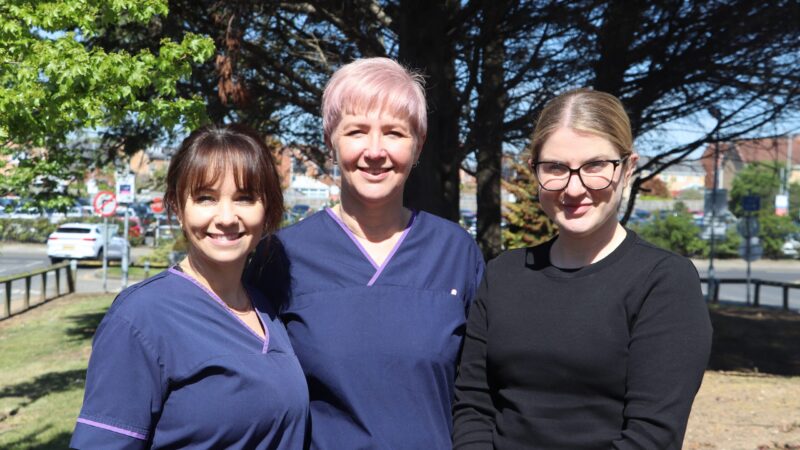
A new perinatal pelvic health service (PPHS) has helped more than 450 women in a little under one year.
The pelvic floor is a group of muscles, ligaments and tissues that sit like a supportive hammock at the base of the pelvis. These muscles support the bladder, bowel and womb, help control the passing of urine, bowel motions and wind, support pelvic organs during pregnancy and after birth, and play an important role in sexual function.
Research shows that pelvic floor symptoms affect a significant number of women during pregnancy with up to two in every three women experience urinary incontinence and one in four women experiencing anal incontinence.
Quality of life
These conditions can continue after birth, leading to a reduction in quality of life and distress for the new mum, affecting physical comfort, confidence, relationships and mental wellbeing.
The midwife and physiotherapist-led PPHS aims to prevent, improve early identification and treatment of mild-to-moderate pelvic floor dysfunction.
It was launched at the University Hospital of North Tees and University Hospital of Hartlepool in June 2025 offering specialist support to women experiencing pelvic floor problems during pregnancy and up to 12-months after birth.
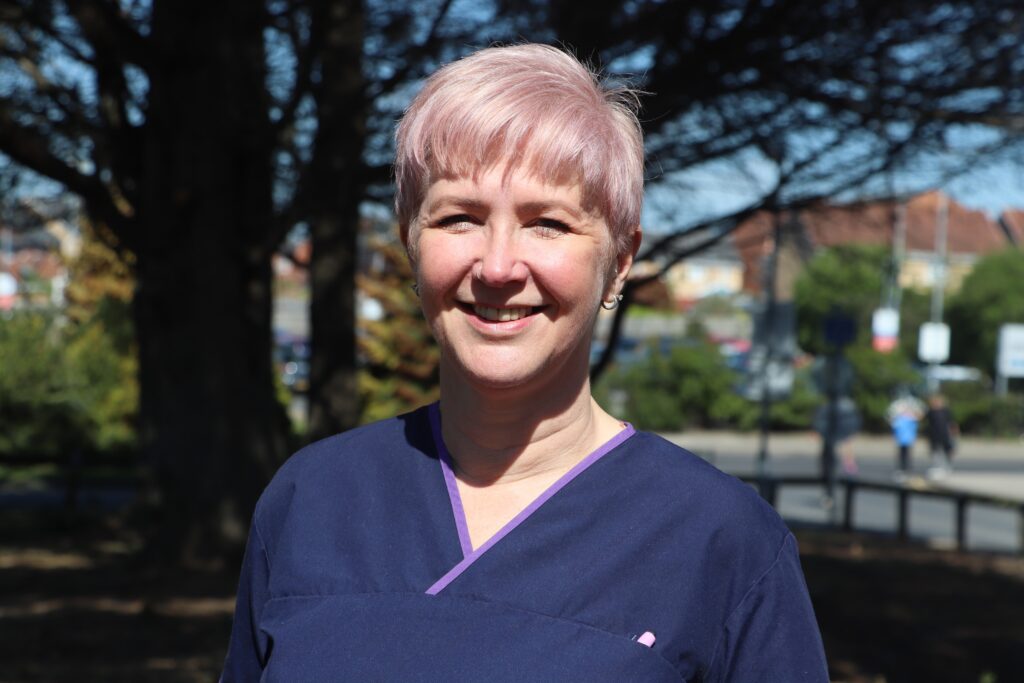
Perinatal pelvic health specialist midwife Kelly Nixon said: “By providing timely, specialist care, our service seeks to reduce the number of women living with pelvic floor problems after childbirth and later in life.
“These symptoms are common but not normal and many women do not seek help.
“Our service is designed to change that. We are open, honest and frank with our patients as we work to resolve their pelvic floor issues.
“We can offer a range of support including a weekly telephone assessment clinic, face‑to‑face clinics run by a specialist midwife and physiotherapist and consultant‑led clinics for women requiring specialist review.
“We’re here to help.”
Women are referred to the PPHS by their community midwife, GP, health visitor and other healthcare professionals through via a simple referral process. The PPHS team is currently exploring options for women to self-refer in the future.
Evolve the service
The PPHS is constantly monitoring its work and looking to improve, holding monthly meetings with senior midwifery and gynaecology leadership continue to shape and evolve the service in response to patient needs.
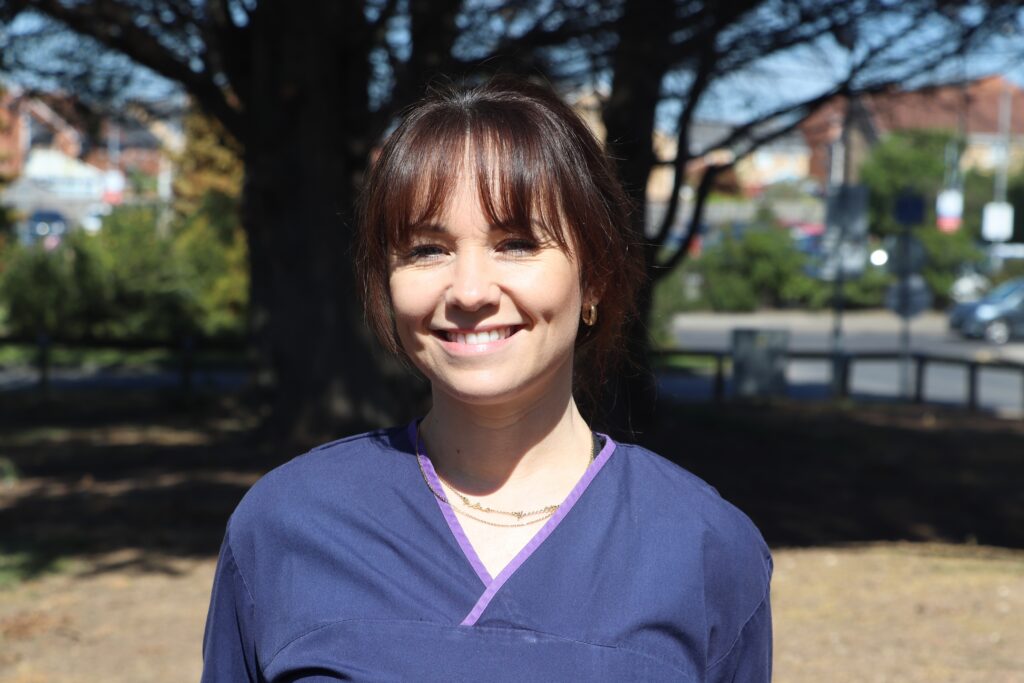
Natasha McManus, senior pelvic health physiotherapist, said: “We’ve worked hand-in-hand with our maternity colleagues to develop the service.
“We’re bringing our specialised pelvic physiotherapy skills to the table and want
to reassure women that all the support they need is available.
“Pelvic floor problems are common, treatable and not something women have to live with.
“We are providing expert assessment, treatment and education for pelvic floor symptoms that can otherwise have a significant negative impact on quality of life.”
The perinatal pelvic health service is funded by the North East and North Cumbria Local Maternity and Neonatal System and delivered by a multidisciplinary team including specialist perinatal pelvic health midwives, specialist perinatal pelvic health physiotherapist and a consultant urogynaecologist.
International Day of the Midwife

Tuesday 5 May is International Day of the Midwife. Hannah Matthews, head of midwifery, said: “The success of the perinatal pelvic health service shows what midwives can do!
“Midwives are clinical specialists and leaders in their own right. Working with a team of experts across a range of clinical subjects has resulted in the team developing an incredible new service.
“International Day of the Midwife celebrates the best in midwifery leadership around the world. We’re lucky to have midwives in our hospital who set that example of leadership during every shift they work.”
Women experiencing symptoms during pregnancy or after birth are encouraged to talk to their midwife or healthcare professional and access the specialist support now available through the perinatal pelvic health service.