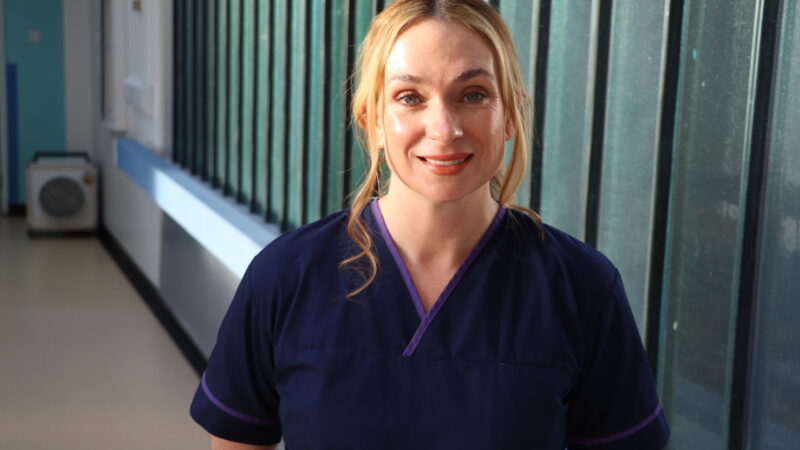
Lauren Mazzey is the organisation’s new Martha’s Rule implementation lead nurse.
“At the University Hospital of North Tees, we are rolling out a new way of working to help give patients and their families a clear, formal right to request an urgent clinical review if they believe someone’s condition is deteriorating.
“Known as Martha’s Rule, this was developed nationally in response to the death of 13‑year‑old Martha Mills, who died from sepsis in 2021 after her symptoms were not escalated appropriately.
“The initiative is built around early detection of deterioration and guarantees that patients, relatives, carers, and staff can activate a rapid review from a separate clinical team if they feel something is going wrong.
“Most importantly, families themselves can call for an independent review – an option that will be clearly advertised across the hospital site.
“Martha’s Rule puts patients at the forefront of everything we do.
“Patients and their families know their loved ones best, and we recognise the contribution that close family and friends make in noticing when their loved ones are unwell.
Three parts to Martha’s Rule
Martha’s Rule has three core components:
- How the patient is feeling – daily wellness questionnaires help structure escalation and ensure staff act on any signs of deterioration.
- Acting on concerns – improving communication between the workforce and families so worries are acted upon
- Rapid review – ensuring patients can access a quick assessment from the critical care outreach or paediatric team when needed.
“The campaign is focused on prevention. It ensures the right people notice and escalate small changes early. Staff are fully on board and we have already seen a lot of positive evaluation from those clinical areas who have adopted it first.
“My role involves linking in with senior nurses, supporting staff, and working closely with the critical care outreach team and medical teams. It is a national patient‑safety initiative, and it’s important that staff feel supported as it is embedded.
“I am here to help, working closely with the hospital team and ward‑based staff, and staying connected with senior nursing and medical teams.
“It is making a difference. We’re already seeing improvements in communication and giving patients a stronger voice.
“With a background in emergency medicine, critical care, patient deterioration, and education, my role is about stopping preventable deterioration.”