
We get to walk alongside families and to make that journey just a little bit easier”
Bereavement support officers play a vital role in supporting patients and their families at University Hospitals Tees, helping to guide relatives through practical arrangements following the death of a loved one at the hospital.
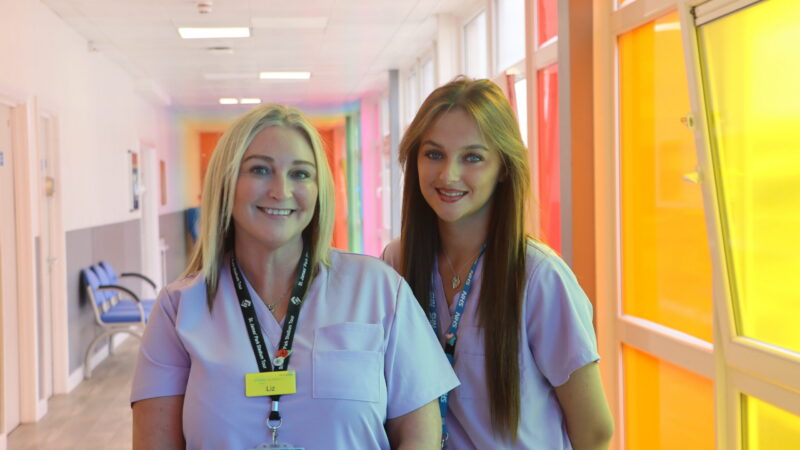
And for Elizabeth Horsley and Leah Richardson from the bereavement team at the University Hospital of North Tees, working closely with families at what is often one of the most difficult and overwhelming times in their lives, providing advice, support and reassurance while helping them navigate the next steps is something they are passionate about.
As well as being a point of contact for bereaved relatives, the two officers also help ensure the hospital meets its legal responsibilities following a death. This includes supporting the completion of death certificates, liaising with the HM Coroner, funeral directors and registrars, and helping families to understand the processes involved.
Here to help
The team’s role is extensive and varied. Alongside supporting families with practical arrangements, they assist with viewings within the mortuary, help coordinate funerals and support families with patients of all ages, including babies cared for through the maternity Snowdrop Suite.
Bereavement support officers also work closely with colleagues and partner organisations including the mortuary, medical examiners, chaplaincy teams, police services, mortuary staff, laboratory teams and clinical colleagues.
Leah said: “We are often the first point of contact for families after someone has died. We speak to them, explain the process and help them understand what needs to happen next.
“For many people, this is something they have never experienced before. They can be feeling overwhelmed, upset and unsure where to start. We help provide some structure and guidance so families can focus on grieving for their loved, one rather than worrying about the practical arrangements.
“We have a set process that we follow, but we tailor the level of support we provide to suit each family’s individual needs. Some people need a little more guidance than others and we’re here to support them however we can.”
Passionate about what they do
Elizabeth, who joined the bereavement team in March 2024, had previously been drawn to voluntary work within a hospice and said the role felt like a natural progression.
Elizabeth said: “Families often come to us with lots of questions, whether that’s about the cause of death, the care their loved one received or what happens next. We take the time to listen and help them find the answers they need.
“You are human and you do feel it. But my role is to support the families, empathise with them and provide the best advice and guidance I can.
“We get to walk alongside families on their journey. It’s incredibly rewarding to know that you’ve been able to help someone through such a difficult time. It really grounds you and reminds you of what is important.”
As part of the support available, the team also signpost families to bereavement counselling and other services where additional help may be needed.
Elizabeth added: “It’s about helping people find their way through a process that can feel very unfamiliar and overwhelming. If we can make that journey just a little bit easier and allow families the space to properly grieve, then we’ve done our job.”