
Parents in Teesside have backed a national research study screening babies for more than 200 rare genetic conditions.
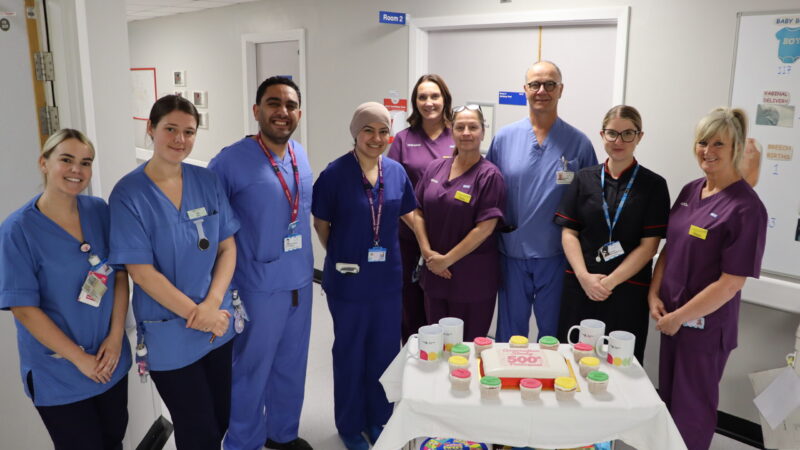
More than 500 babies born at the University Hospital of North Tees are now part of the Generation study.
This is the highest proportionate number in the region and one of the highest in the country across the clinical sites taking part.
Ellie Bird and her partner Leon Rodham agreed for their newborn baby boy, Lohen Rodham, to be involved.
As part of the study, a baby’s genome is sequenced shortly after birth, using a small blood sample taken from the umbilical cord with parental consent.
This will test for many childhood‑onset genetic conditions where early treatment is already available.
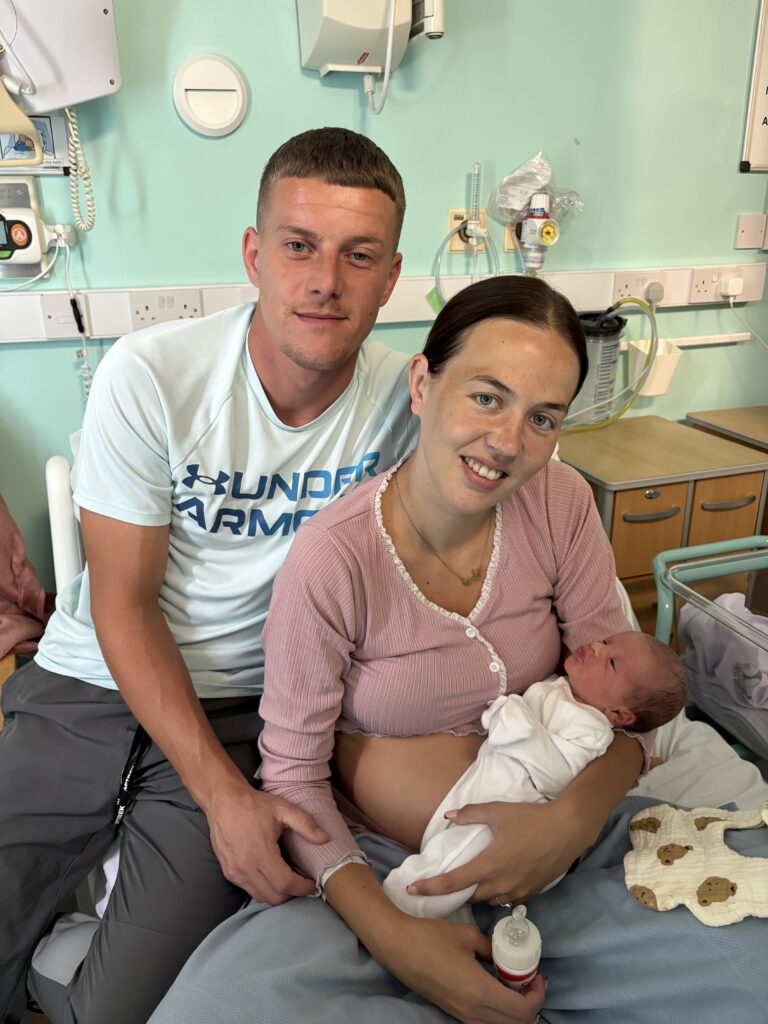
Speaking from the hospital’s maternity unit, Ellie and Leon said: “We were so pleased to be given the opportunity for our baby to take part in the Generation study to check for rare conditions and also to potentially help other children in the future.”
Each baby’s genome is sequenced and analysed for specific conditions chosen by clinical experts.
Results are returned to parents by a specialist if a condition is suspected, then further diagnostic testing is offered, which will result in earlier interventions.
Thank you to parents and staff
Sharon Gowans, research midwife, said: “It’s fantastic news we have gone beyond 500 babies involved now.
“It is a testament to the families we have spoken to for being so open to the idea of research and to the staff across our maternity services both in our hospitals and in the community for having those conversation about the benefits of this research trial.
“I want to thank all of our midwives in all clinical areas for their continued commitment to delivering this important study, especially the delivery suite midwives who collect the cord blood samples. We also owe this success to our maternity managers who are always supportive of our work, which is very much appreciated.
“This trial will help us to look at whether genomic screening at birth is feasible, accurate, and beneficial and improve understanding of this type of information and this data could help us to diagnose and treat rare diseases earlier.”
Stephen Wild, obstetrician and gynaecology consultant and principal investigator for the study, said: “The maternity teams across our services really are leaders when it comes to their involvement in research and understanding the importance of studies.
“We take the time to have those conversations – something which has led to more than half of those asked agreeing for their babies to be a part of it.”